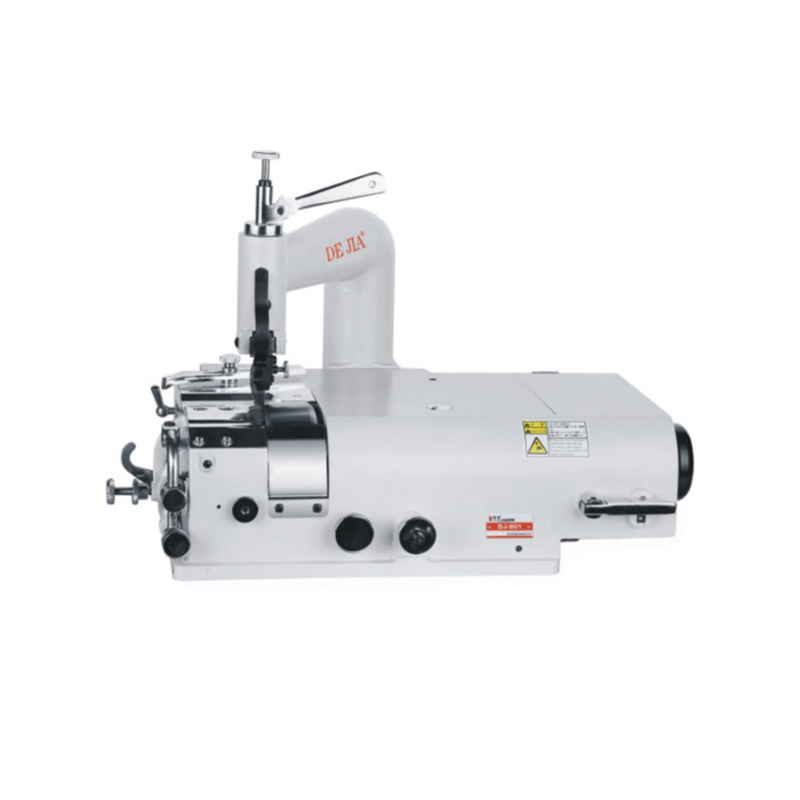
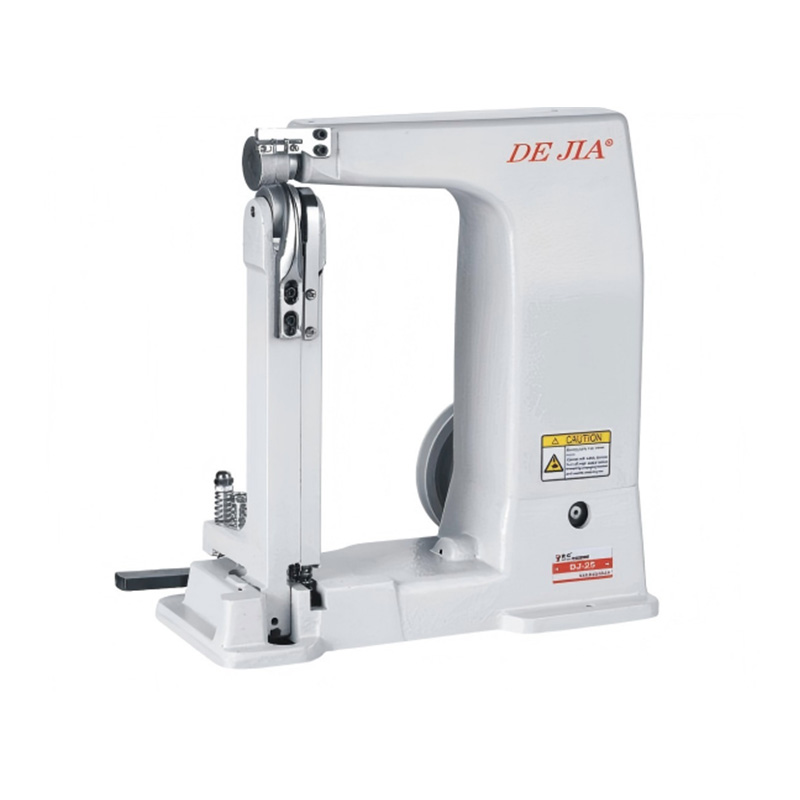
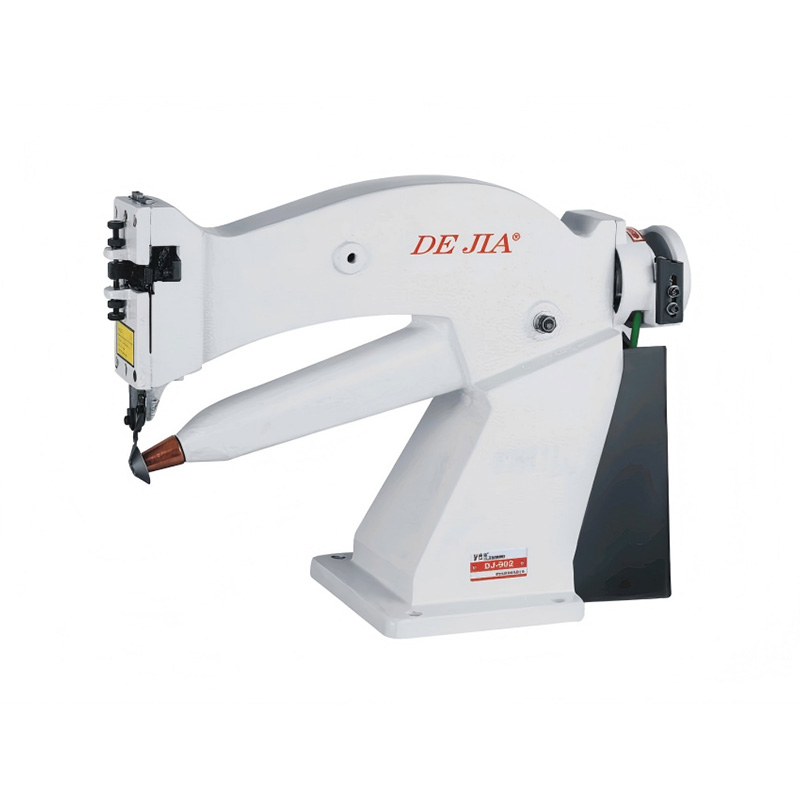
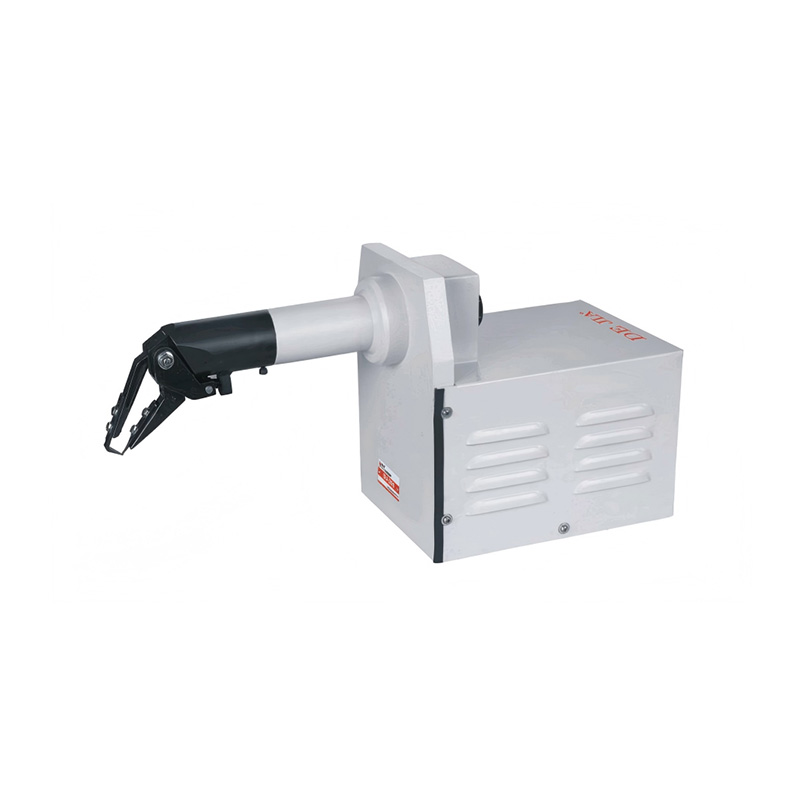
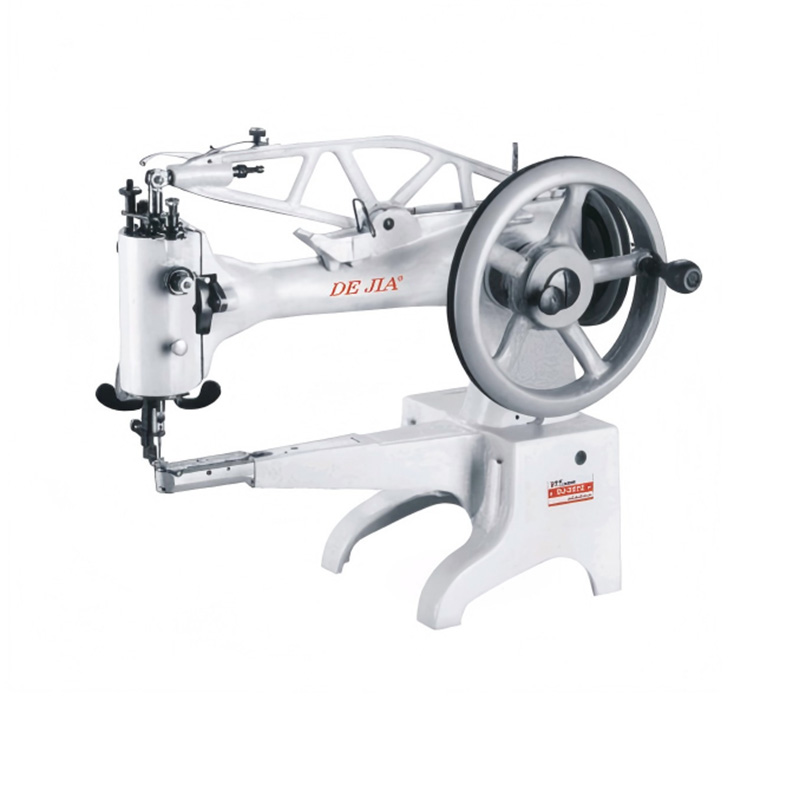
Footwear sewing machines are industrial-grade sewing equipment specifically designed for footwear manufacturing. Their biggest difference from general-purpose garment sewing machines lies in their machine structure and feeding method. Footwear products involve sewing numerous three-dimensional curved surfaces, tubular edges, and hard-to-reach areas, making the flat worktable of ordinary flatbed sewing machines unsuitable. Footwear sewing machines, through special machine structures such as post-bed, cylinder-bed, or U-arm types, transform the sewing area from a two-dimensional plane into a three-dimensional space, allowing operators to sew around three-dimensional components such as shoe uppers, soles, and boots.
Based on functional processes, sewing machines are further subdivided as follows:
- Upper Sewing Machine:Handles the splicing of upper pieces, decorative stitching, and applique.
- Midsole Sewing Machine (Strobel):Specifically used for sewing the insole to the upper, employing a disc feed system to ensure precise feeding of multiple layers of materials (leather panels, foam, synthetic fibers).
- Side Seam Machine:Features a double-needle, double-thread structure for sewing the shoe sidewall, forming a strong lockstitch.
- Welt Stitching Machine:Used for welt stitching on Goodyear welt construction shoes.
- Roller Feed:Equipped with a roller feed system, particularly suitable for feeding smooth materials (ethylene, polyethylene plastic, oilcloth, canvas, coated fabrics), preventing slippage and displacement.
Application Scenarios of Sewing Machines in the Footwear Industry
1. Sports Shoe and Casual Shoe Manufacturing
- Upper Splicing:Sewing multiple pieces of mesh, synthetic leather, and TPU into a complete upper; column-type machines can handle three-dimensional curved surfaces.
- Side seam stitching: A double-needle side seam machine completes the secure stitching of the shoe side panels at a speed of 1,800 stitches/minute, with a seam thickness of up to 6mm, suitable for the thicker materials required for athletic and casual shoes.
- Tongue/eyelet strap fixation: Small column or cylindrical machines precisely position and stitch, ensuring no tearing at stress points.
- Insole and midsole stitching: A midsole stitching machine uses a disc feed to stitch the upper and midsole together, a core step in the "lasting" process for athletic shoes.
2. Leather and dress shoe manufacturing
- Upper panel stitching: The stitching and decorative lines of genuine leather and synthetic leather are achieved through a unique feed method specific to column-type machines, meeting sewing needs in any direction.
- Goodyear welt: A dedicated welt machine stitches the leather welt, upper, and midsole together, a hallmark of high-end handcrafted leather shoes, with machine stitching being dozens of times more efficient than hand stitching.
- Insole fixation: A U-arm machine extends deep into the shoe cavity to stitch and fix the insole to the midsole.
3. Boot Shaft Stitching
Long-column models handle longitudinal stitching of boot shafts for high boots and riding boots, while 360° rotating models can handle curved stitching at any position on the boot shaft.
4. Safety Shoes and Work Shoes Manufacturing
- Multi-Layer Thick Material Stitching: Stitching the toe (steel/composite material) of safety shoes to the upper and midsole. Due to the thickness and hardness of the materials, heavy-duty column machines are required with thick thread (such as V277 thread) and a composite feeding system.
- Reinforced Stitching: Stitching reinforced frame lines at stress points such as the heel and sides of shoes to ensure product durability under harsh working conditions.
5. Children's Shoes and Specialty Shoes Manufacturing
- Small-Size Upper Stitching: Small cylindrical machines or short-column machines are suitable for small-sized workpieces in children's shoes.
- Orthopedic Shoes/Medical Shoes: Strobel models can handle precise stitching of multiple layers of orthopedic materials (leather panels, foam, support plates) to meet medical-grade quality requirements.
- Shoes with Multi-Layer Orthopedic Materials (Leather Plates, Foam, Support Plates)
6. Bags and Leather Accessories
- Handbags/Backpacks: The 3D sewing capabilities of column-type sewing machines are also suitable for sewing 3D components of bags, such as joining the bottom and body of the bag, and securing handles.
- Belts/Wallets: Small column-type or cylindrical sewing machines handle the fine sewing of leather products.
- Automotive Interiors/Office Furniture: The sewing of leather seats and cushions is highly similar to the sewing process for shoe uppers.
7. Footwear Repair and Customization
- Sole Replacement/Upper Replacement: Side-sewing machines and column-type sewing machines can remove old soles and sew new soles, making them core equipment in shoe repair workshops.
- Custom Size Adjustment: By adjusting sewing parameters using CNC machines, flexible small-batch custom shoe production can be achieved.
Reasons for Purchase: Why Buy
1. 3D Sewing Capability: A Necessity for Footwear Manufacturing
Over 90% of the sewing locations on footwear products are curved surfaces, dead angles, or tubular structures, which ordinary flat sewing machines cannot handle. Column-type, cylindrical, and U-arm-type sewing machine structures are the entry ticket to the footwear manufacturing industry. Without these specialized models, even the more basic shoe upper stitching cannot be completed.
2. Composite Feeding System: Solving the Nightmare of Smooth Materials
Shoe upper materials include genuine leather, PU, PVC, mesh, coated fabrics, canvas, etc. Among them, smooth materials such as ethylene, polyethylene plastics, and oilcloth are prone to slippage and displacement on traditional feeding systems. Shoe sewing machines are generally equipped with composite feeding (needle feed + dog feed + roller feed) or roller feed systems to ensure accurate feeding in any direction and on any material, solving the problems of "sewing misalignment and wrinkles" from the source.
3. Multi-purpose Machine: Extending Production Lines from Footwear to Bags
The three-dimensional sewing capabilities of column-type shoe sewing machines are not limited to footwear; they are also suitable for sewing three-dimensional leather/canvas products such as handbags, automotive interiors, office furniture, and outdoor products. One machine can serve multiple product lines, improving equipment utilization and reducing the risk of operating in a single market.
4. 360° Rotating Model: Seamless Coverage of Complex Curved Surfaces
High-end column-mounted models support 180° or 360° horizontal rotation, allowing operators to complete curved stitching at any angle around shoe uppers and boot shafts without frequent workpiece repositioning. For products with multiple curved surfaces and dead angles, such as high boots and complex athletic shoe uppers, the rotating function increases sewing efficiency by more than 30% while reducing operator fatigue.
5. Strobel Midsole Stitching: A Core Process in Athletic Shoe Manufacturing
The Strobel midsole stitching machine is a key piece of equipment in the "lasting" process of athletic shoes, stitching the upper and midsole into a single structure. The disc feeding system ensures precise alignment of multiple layers of materials (leather plate + foam + synthetic fiber), and the automatic lubrication system ensures stability during continuous operation. Without this equipment, the standard manufacturing process for modern athletic shoes cannot be completed.
6. Double-Needle Side Seam: Dual Guarantee of Speed and Strength
The dedicated side-seaming model uses a double-needle, double-thread lockstitch, completing two stitches in one pass, increasing efficiency by approximately 50% compared to single-needle stitches requiring two passes. Simultaneously, the strength and aesthetics of the double-needle stitch are good to single-needle stitches, making it the industry standard for side seams in athletic and casual shoes.
7. Servo Direct Drive: Quiet, Precise, and Durable
Modern shoe sewing machines are generally equipped with heavy-duty servo motors (low-speed, high-torque electronically controlled motors). Compared to traditional clutch motors:
- Quiet Operation: Improves the factory working environment and meets noise compliance requirements.
- Precise Speed Control: Maintains strong torque even at low speeds, suitable for starting stitches on thick materials and fine corners.
- Improved Durability: No carbon brush wear, extending maintenance intervals.
- Energy Savings of Approximately 40%-70%: Significant long-term electricity cost differences.
8. Automatic Lubrication: Reduced Maintenance Downtime
Shoe sewing machines are generally equipped with an automatic lubrication system that continuously supplies oil to key moving parts (spindle, shuttle, feeding mechanism), reducing missed manual lubrication and downtime. For shoe factories operating 24/7, automatic lubrication is a fundamental feature ensuring equipment lifespan and stable production capacity.
9. Safety Clutch: Protecting Core Components
Column-type sewing machines are generally equipped with an easy-to-operate safety clutch. When encountering thick layers of material or operational errors causing the rotary hook to jam, the clutch automatically disengages, preventing damage to core components such as the rotary hook and needle bar. This design reduces maintenance costs and downtime losses, and is especially important for heavy-duty operations using thick needles and threads.
Frequently Asked Questions
Q1: How to choose between column-type and cylindrical sewing machines?
A: It depends on the shape of your main products. Column-type machines are suitable for three-dimensional curved surfaces such as shoe uppers, shoe collars, and boot shafts, as well as workpieces with "dead corners" (such as around eyelets and the base of handles). Cylindrical sewing machines are suitable for circular stitching (such as shoe collar binding and boot shaft binding) and small-radius curves. Many shoe factories need both types of machines, using column-type for main body stitching and cylindrical for edge binding.
Q2: Can shoe sewing machines only make shoes?
A: No. Both column-type and cylindrical sewing machines offer 3D sewing capabilities suitable for handbags, car seats, office furniture, outdoor tents, and other 3D leather/canvas products. If your factory accepts orders for both footwear and bags, one shoe sewing machine can serve two production lines, improving equipment utilization.
Q3: What is the difference between compound feeding and roller feeding?
A: Compound feeding is a combination of needle bar feeding, feed dog feeding, and alternating presser feet. It is suitable for more leather and canvas materials, offering strong penetration and preventing interlayer displacement. Roller feeding uses rollers instead of feed dogs, making it particularly suitable for smooth materials (such as PU, PVC, and coated fabrics). The rollers provide more even friction, preventing slippage. If your materials are primarily smooth synthetic leather, the roller sewing machine is the preferred choice.


 Español
 عربى
عربى