Industry knowledge
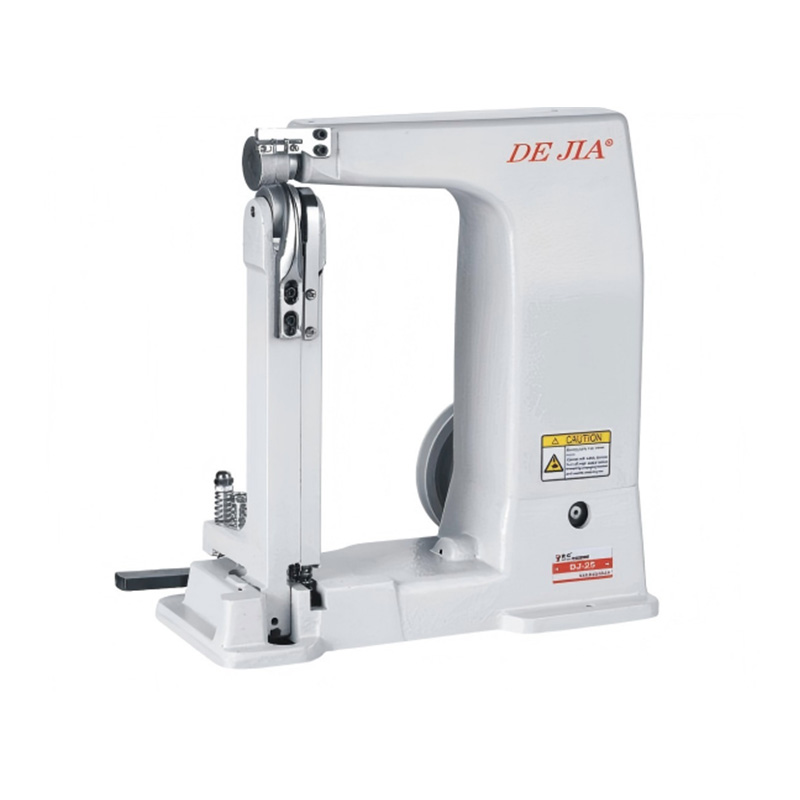
The seam opening and taping machine is a specialized ironing device that combines two independent processes into one:
- ① Seam Opening – Presses and irons open the folded seam allowances from the middle, flattening them so that the seam allowances on both sides are laid flat to the sides.
- ② Tape Attaching – A strip of lining or hot melt adhesive tape is hot-pressed onto the back of the freshly opened seam, reinforcing it, preventing fraying, and covering any rough edges.
The core working principle of the equipment is as follows: After the workpiece is fed in, a pair of blade-shaped or boat-shaped ironing heads open the seam allowance from the center of the seam. Simultaneously, a tape feeding mechanism below applies pre-cut hot melt adhesive tape (or non-woven lining strip) to the back of the seam allowance under pressure and temperature, and then it is set by cooling rollers. The entire process requires no manual folding, and the production cycle is generally 3–8 seconds per piece, adjusted according to the material thickness and tape width.
These machines on the market are divided into two main categories: pneumatic and fully servo. Pneumatic machines are simple in structure and inexpensive; fully servo machines can precisely control the belt feed speed, pressure, and temperature profile, making them suitable for brand orders with stringent appearance quality requirements.
Application Scenarios of Seam Seam Pressing and Taping Machines
After pressing open the seams of athletic shoes and leather shoes, heat-fused lining strips need to be applied to the inner layer to prevent fabric layer cracking or exposed seams. This machine can complete this process in batches before the shoe upper is formed.
After pressing open the back center seam and side seams of suits and trench coats, piping strips are applied to improve stiffness; TPU waterproof tape is applied to the inner seams of sportswear to meet outdoor waterproofing requirements.
At the seams of nylon inner bags or PU linings, pressing open and applying tape can cover raw edges and prevent the lining from unraveling, suitable for brand OEM orders with strict inspection standards for internal workmanship.
- Automated Production Line Integration
All servo-driven models offer I/O interfaces, enabling integration with conveyor belts and reducing manual handling. Suitable for high-volume factories with daily production capacities exceeding 3,000 pieces.
- Outdoor/Functional Fabrics
Waterproof seaming process for raincoats, tents, and jackets: After seam opening, waterproof tape must be applied to pass the SATRA/ISO rain test. This machine is the standard equipment for this process.
- Gloves/Small Leather Goods
After the finger seams of baseball gloves and golf gloves are joined, narrow reinforcing strips (6–10 mm) are applied to the back to reinforce the seams at the base of the fingers, where stress is greatest, preventing tearing during movement.
Purchase Reasons — Why is it worth buying?
- Two processes combined, eliminating transfer waiting time
In traditional processes, seam opening and tape application require two machines, two workers, and two rounds of handling. Combined, this can be operated by a single person, reducing work-in-process inventory between processes and increasing production line cycle time by approximately 30% (subject to evaluation based on each factory's actual layout).
- PID precise temperature control, controllable scrap rate
The temperature error of the ironing head is typically controlled within ±3°C, preventing genuine leather and PU materials from becoming shiny or deformed due to overheating. Compared to manual ironing by workers, the yield rate is more stable, suitable for brand orders with zero-defect requirements for appearance.
- Meets waterproof certification seam requirements
Waterproof standards such as ISO 20471 and EN 343 for outdoor clothing and functional footwear clearly require waterproof tape to be applied to seams. The application pressure and temperature of the tape using dedicated equipment can be recorded and reproduced, making it easier to pass third-party factory audits than manual operation.
- Transparent and easy-to-calculate consumable costs
Hot melt tape is sold in rolls, with stable supply channels and fixed consumable usage per unit. Factories can accurately calculate the processing cost of each product, facilitating pricing.
- Quick changeover, compatible with multiple product categories
By changing guide channels and pressing heads of different widths (usually completed within 10 minutes), the same machine can switch between categories such as shoe uppers, handbags, and apparel, making it suitable for ODM factories producing small batches of multiple product categories.
Frequently Asked Questions
In the shoe upper stitching process, what is the difference between seam sealing tape and direct pressing, and which is more suitable for export orders?
Pressing (folding and pressing) simply folds the seam allowance to one side, resulting in a flat appearance, but the overlapping of seam allowances on one side can create a thickness difference, easily forming visible ridges on thin shoe upper materials. Seam sealing allows the seam allowances on both sides to flatten, resulting in a more uniform overall thickness, suitable for mid-to-high-end shoe export orders where cross-sectional quality is required.
Does the supply of hot melt adhesive tape need to be tied to the machine manufacturer?
No mandatory tie-in is required, but compatibility should be considered. The activation temperature (typically 110°C–160°C) and width of the hot melt adhesive tape must be matched with the machine's guide rail and heating head temperature settings. TPU waterproof tape and ordinary non-woven interfacing are two completely different consumables, and machine compatibility must be confirmed separately.
Are garment seam finishing and shoe upper finishing machines the same type? Do they need to be selected separately during procurement?
The principle is the same, but the workpiece size and table structure differ. Garment workpieces are large with long seams, making machines with wide table feeding mechanisms and continuous conveyor belts suitable. Shoe upper workpieces are small and have many curves, requiring a finer heating head that can better conform to the curves; some models are equipped with rotatable heating heads to accommodate curved shoe upper edges.


 Español
 عربى
عربى