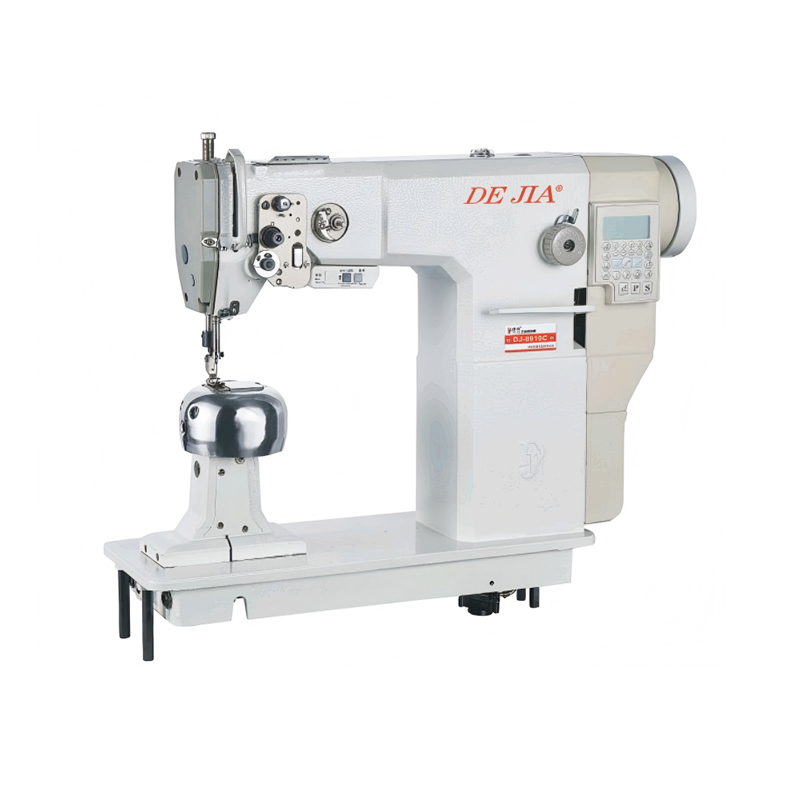
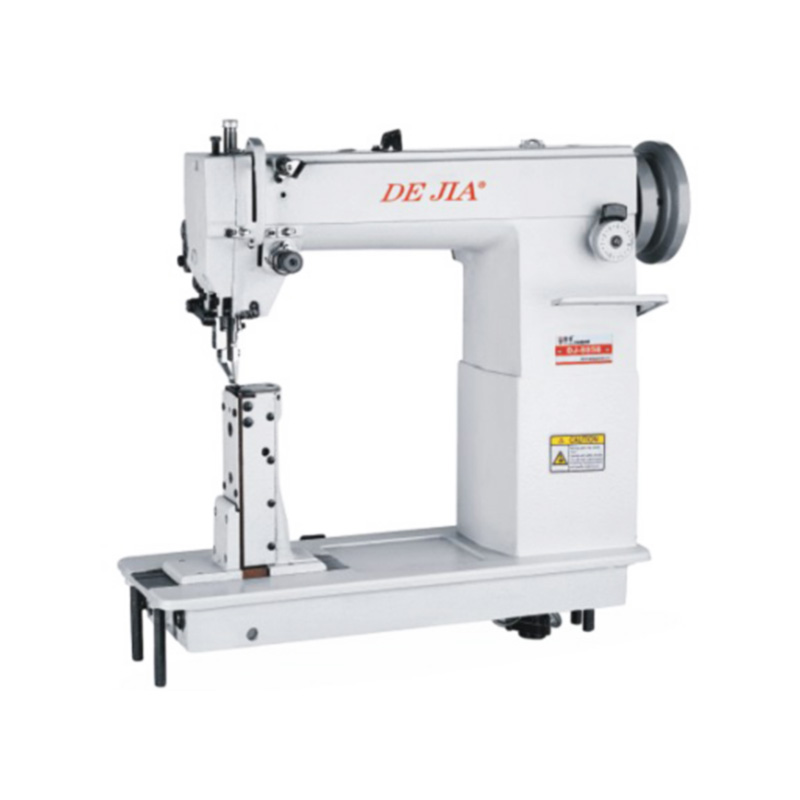
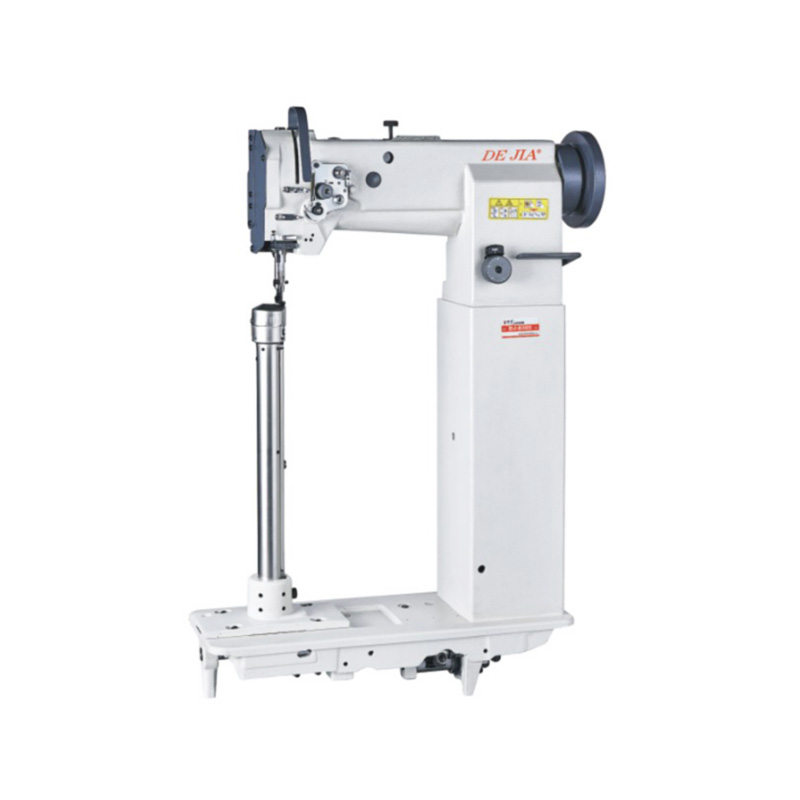
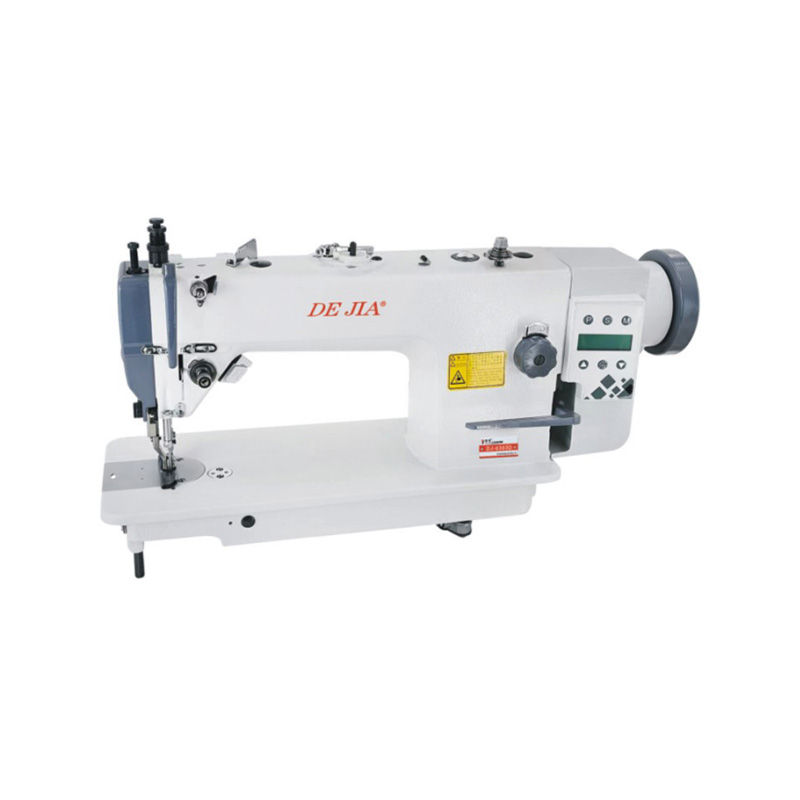
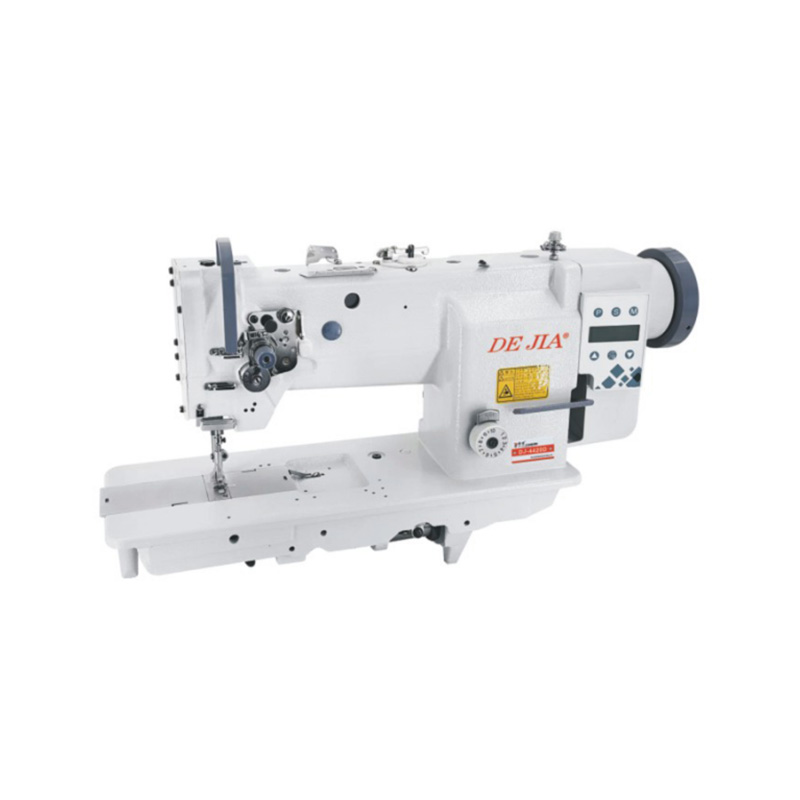
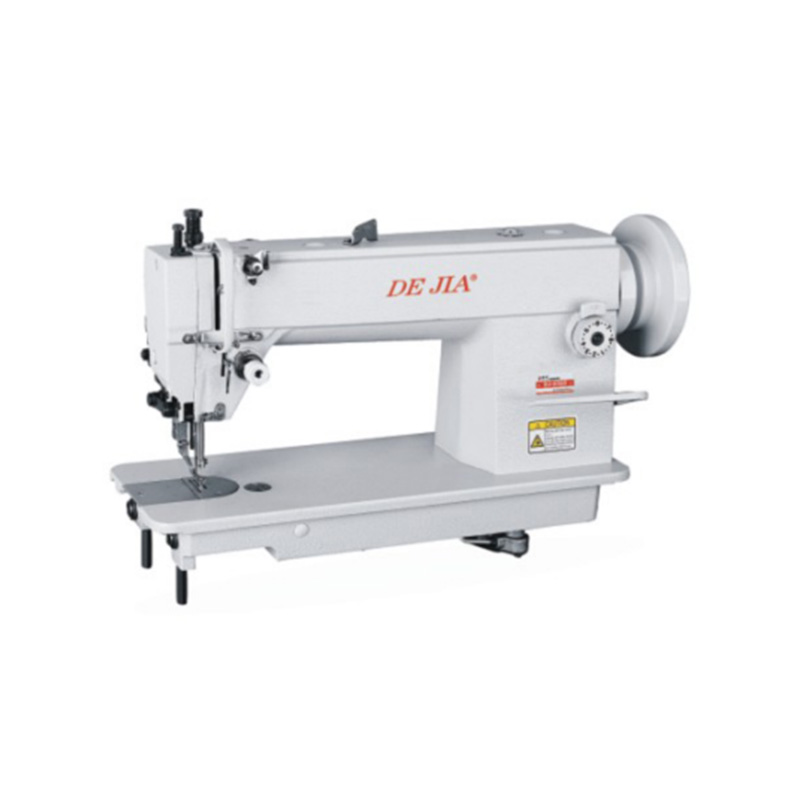
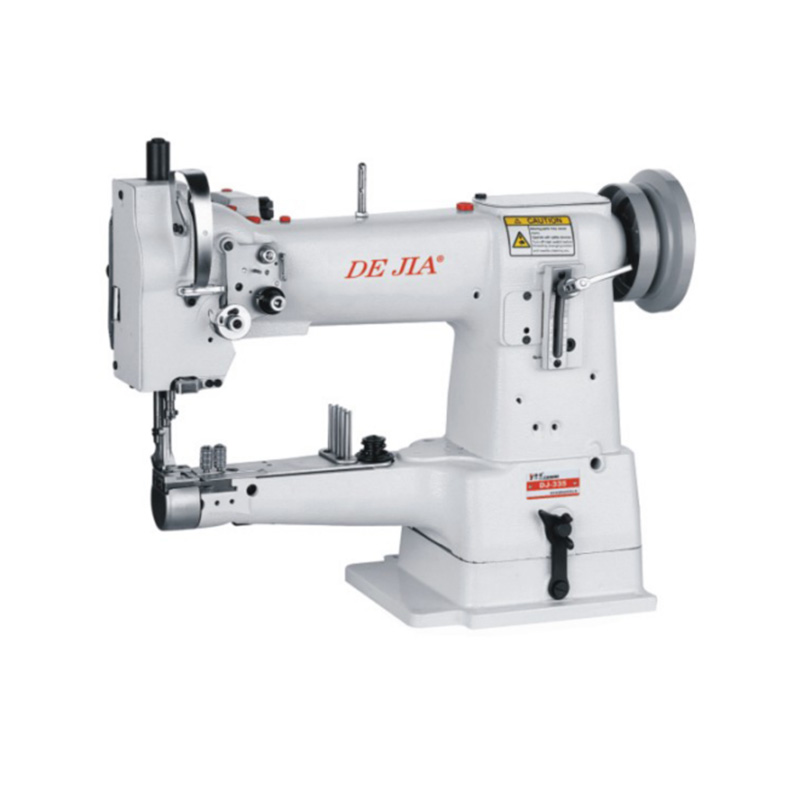
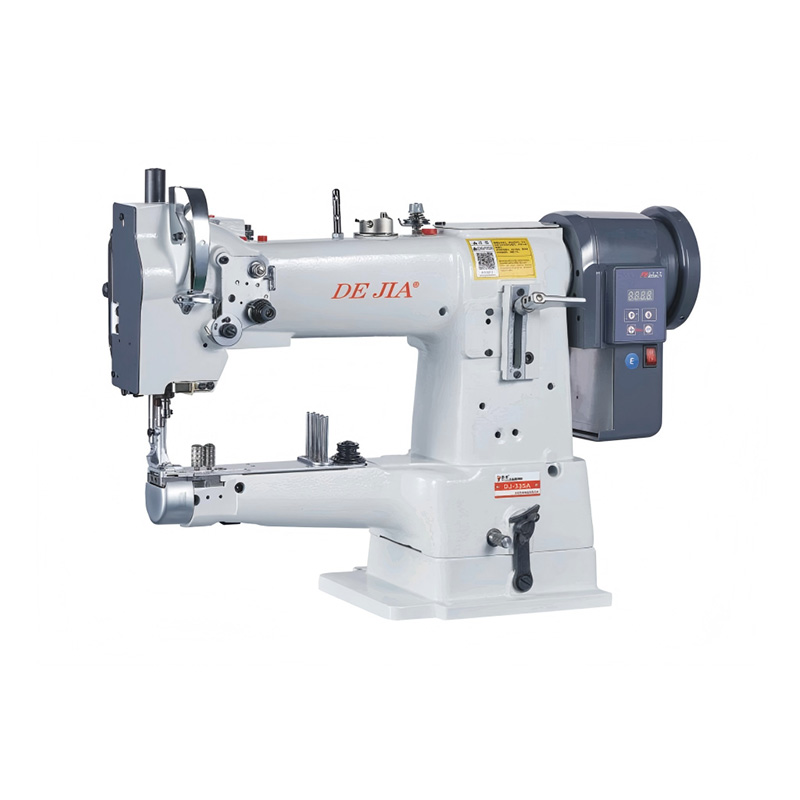
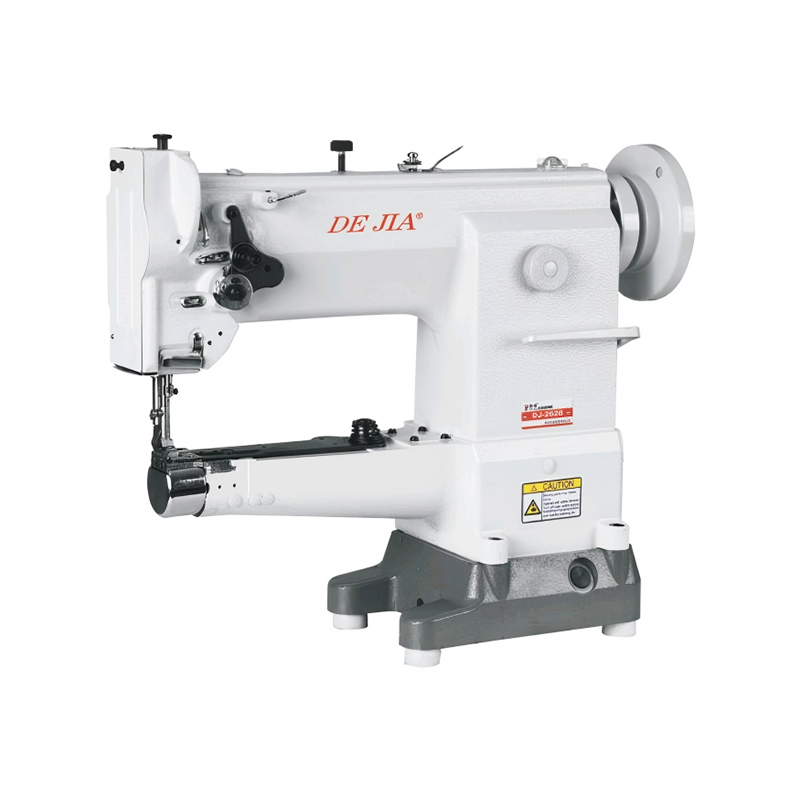
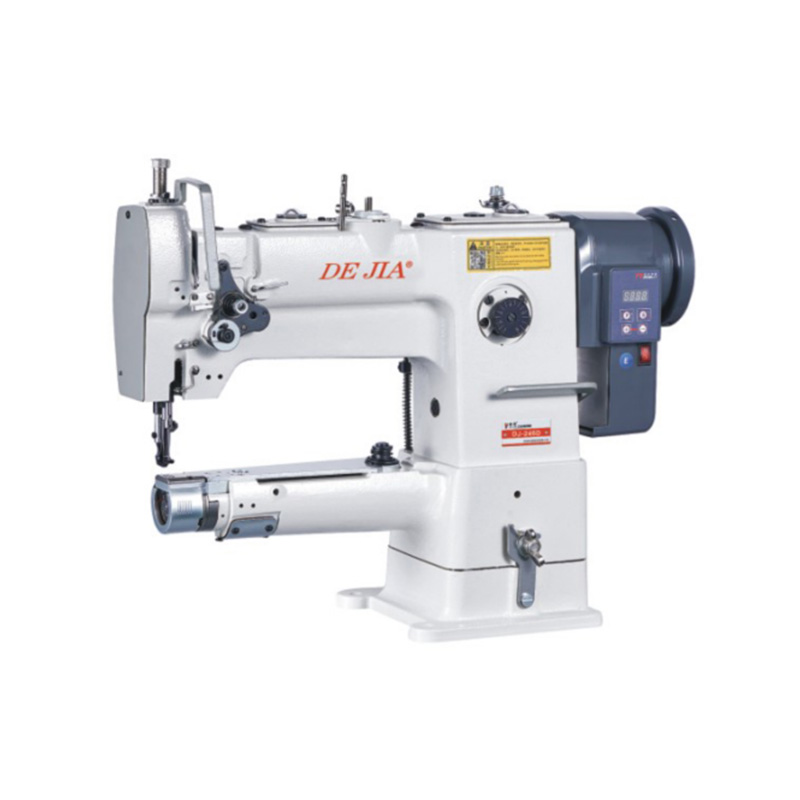
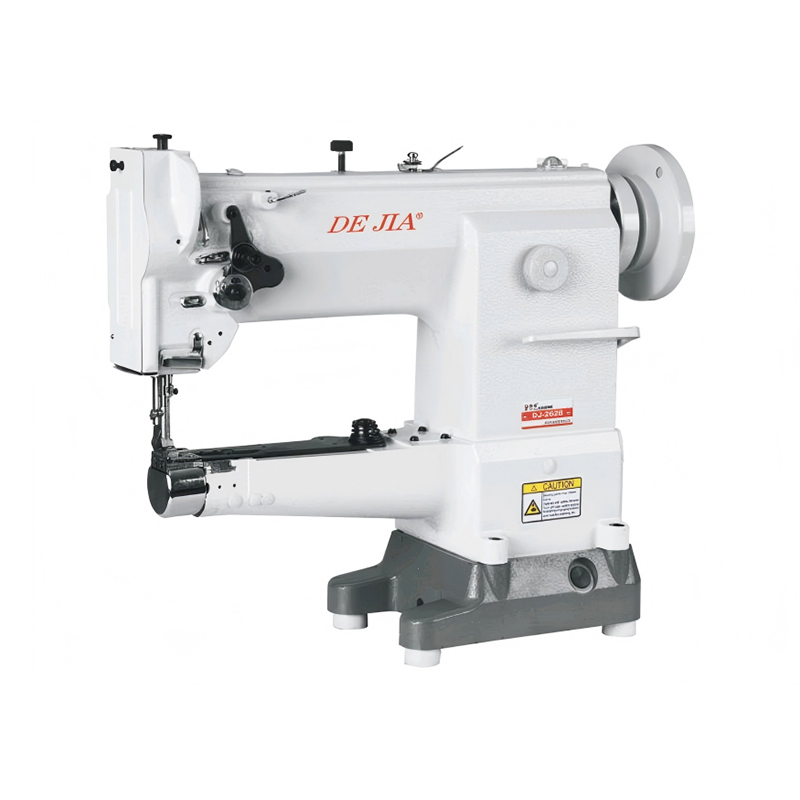
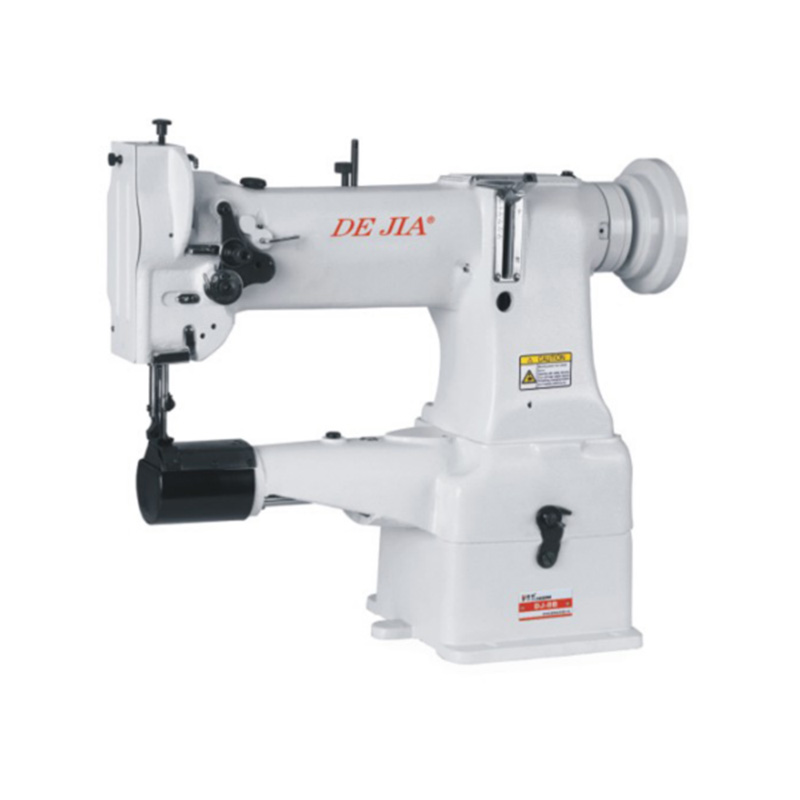
High-performance sewing equipment engineered for continuous production environments — from garment factories to automotive upholstery lines. Built to outpace consumer machines in speed, durability, and material capacity.
What is an industrial sewing machine?
An industrial sewing machine is a specialized electromechanical device designed for high-volume, continuous-duty sewing operations in commercial and manufacturing settings. Unlike domestic models, industrial machines are built with cast-iron or steel frames, clutch or servo motors rated 400–750W, and single-purpose mechanisms that allow sustained operation at speeds of 3,000–8,000 stitches per minute (SPM) — often for 8–16 hours per day.
They are categorized by stitch type (lockstitch, chainstitch, overlock), material capacity (lightweight, medium, heavy), and control system (mechanical clutch motor, servo motor, or fully computerized). The majority are single-needle or multi-needle configurations mounted on a dedicated worktable with an integrated motor and thread stand.
Application scenarios of an industrial sewing machine
T-shirts, formal wear, denim, sportswear — high-volume cut-and-sew lines
Handbags, backpacks, travel cases — heavy thread on coated or PU materials
Car seats, door panels, headrests — require compound feed for thick foam+leather stacks
Safety vests, gloves, industrial uniforms — double-needle or chain stitch for seam strength
Curtains, cushions, mattress covers — large flatbed or long-arm configurations
Shoe uppers, insoles — cylinder-arm machines for 3D stitching around curved surfaces
Why source industrial sewing machines
- Output capacity directly tied to revenue
A standard lockstitch machine at 4,500 SPM can complete a basic shirt seam in under 3 seconds. Replacing 5 domestic machines with 1 industrial unit typically raises throughput by 4–6×, directly reducing per-unit labor cost.
- Lower TCO over equipment lifetime
Industrial machines are designed for 10–20-year service lives with modular part replacement. Clutch motors have been replaced by energy-saving servo motors (reducing power draw by 30–50%), cutting electricity costs on multi-machine floors significantly.
- Computerized models reduce skill dependency
New-style computerized machines with automatic needle positioning, thread trimming, and programmable stitch patterns reduce the training time for new operators and small inconsistency between operators — critical in markets with high labor turnover.
- Material versatility via spec matching
Sourcing the right sub-class — e.g., a heavy-duty compound feed machine for leather vs a high-speed overlock for jersey knit — prevents needle breakage, thread skipping, and material damage, reducing rework and defect rates.
- Factory scalability and standardization
Uniform machine models across a production floor simplify spare parts stocking, operator cross-training, and maintenance scheduling — a key consideration for factories operating multiple shifts.
Frequently Asked Questions
What's the practical difference between a heavy-duty and a standard industrial machine?
Heavy-duty industrial machines feature reinforced presser feet, larger bobbin capacity, higher needle penetration force, and compatibility with thicker threads. They're designed for materials like cowhide, canvas, and multi-layer composites where standard machines skip stitches or break needles.
When does it make sense to buy a computerized (CNC) model over a mechanical one?
Computerized models justify their higher upfront cost when:
- Your product requires complex or repeatable stitch patterns — pocket-setting, bartacking, eyelet positioning;
- You produce multiple SKUs and need fast changeover;
- You're managing unskilled operators and need automatic thread trimming, tension control, and seam-end back-tacking to maintain quality.
What after-sales support should I require when sourcing in bulk?
For orders of 10+ units, request:
- Parts availability commitment — key wear parts (hooks, feed dogs, needles, presser feet) stocked locally or shipped within 5 business days
- A wiring diagram and service manual in your language
- On-site installation and operator training for computerized models
- A clear warranty term — industry standard is 12 months on parts, 3–6 months on labor
Avoid suppliers who cannot confirm OEM parts sourcing for their branded machines.


 Español
 عربى
عربى