Industry knowledge
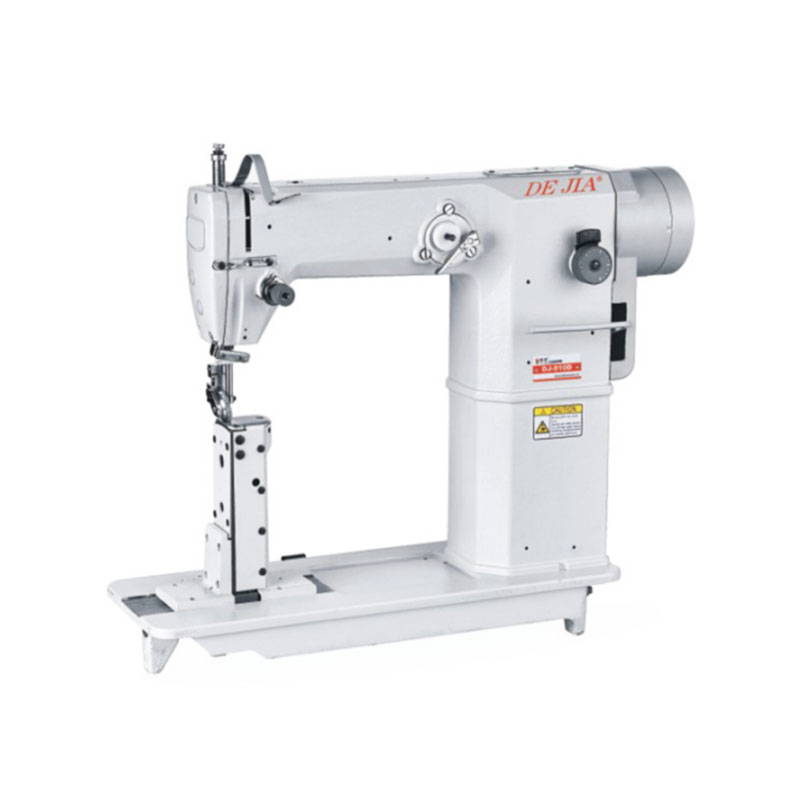
Energy-saving direct-drive post-bed sewing machines are a type of industrial sewing machine specifically designed for sewing thick materials and three-dimensional workpieces. Their core structural feature is the post-bed feed table—a vertical column base sits beneath the machine table, with the needle plate and presser foot suspended above the column. The operator can directly insert pre-sewn or three-dimensional workpieces such as handbags, shoe uppers, saddle bags, and gloves onto the column, allowing for 360° rotation to sew curved or cylindrical areas that are difficult to lay flat.
Applications of Energy-Saving Direct-Drive Post-Bed Sewing Machines
- Leather Bag Processing: Used for handles, zipper edges, and curved seams on handbags and briefcases. The workpiece can be sewn using the post-bed after it has been three-dimensionally formed, avoiding disassembly and rework.
- Outdoor Bag Manufacturing: Used for sewing the shoulder strap base and waist belt buckles on hiking backpacks and tactical backpacks. Multiple layers of nylon fabric provide high strength, and the direct-drive servo system allows for stable low-speed output of high torque.
- Glove/Ballistic Sports Sewing: Suitable for sewing the fingers of baseball and boxing gloves. Due to the small barrel diameter and thin post, this machine is one of the few capable of handling this type of sewing.
- Horse harness/Belt Sewing: Suitable for sewing buckles on saddles, reins, and wide leather belts. The fabric is thick and stiff, requiring low speed, high torque, and the ability to handle heavy thread.
- Shoe Upper Sewing: Suitable for heel stitching and tongue fixing stitching on athletic shoes and leather shoes. Precise stitching is possible after the upper is inserted into the post.
- Bag Factory Mass Production Lines: OEM factories often place this machine in the later stages of the molding process. Its energy-saving features help reduce overall power consumption during mass production, meeting buyer factory audit requirements.
Purchase Reasons — Why is it worth buying?
Eliminating belt drive significantly reduces downtime for belt wear and pulley replacement. The direct-drive servo motor is brushless (BLDC structure) with a lifespan typically exceeding 20,000 hours.
- Improved Precision, Reduced Defect Rate
The digital speed control panel allows for precise setting of the rotation speed per minute, ensuring high consistency in sewing speed and stable thread tension. For brands with stringent quality requirements for genuine leather goods, sewing parameters can be traced.
- The Only Tabletop Machine Capable of Handling Three-Dimensional Workpieces
The cylinder-bed sewing machine can also handle three-dimensional parts, but the column-bed machine has a smaller diameter, allowing it to access smaller cavities. It is an irreplaceable model for glove, shoe tongue, and saddle sewing processes.
- Meets Buyer ESG Requirements
European and American brands are increasingly focusing on suppliers' carbon emission data during factory audits. Energy-saving equipment helps reduce factory Scope 2 emissions and improve audit scores.
Frequently Asked Questions
What are the fundamental differences between column-bed and cylinder-bed sewing machines, and which should a bag factory choose?
Both are designed for three-dimensional workpieces, but their structures differ. The worktable of a cylindrical sewing machine is a horizontal cantilevered cylinder, typically over 100 mm in diameter, suitable for thicker cylindrical parts such as trouser legs and sleeves. The worktable of a column sewing machine is a vertical column, with a diameter as small as 60 mm, suitable for smaller cross-section workpieces such as bag handles and glove finger seams. Bag factories that undertake both handle sewing and inner pocket sewing typically have several of each type of machine.
What are the special requirements for machines used in processing genuine leather bags?
Top-grain cowhide and vegetable-tanned leather have high density and low elasticity; if the stitching is misaligned, needle holes will remain, which are irreparable. Therefore, the following are required:
- ① Low speed and high torque; direct-drive servo can maintain stable output in the 200–500 rpm range.
- ② Differential feeding to prevent leather slippage.
- ③ Silicone oil lubrication system to prevent oil stains on the leather surface.
When purchasing, it is necessary to confirm whether the machine supports these three points, rather than just looking at the big speed.
In the outdoor bag making process, how to choose the right machine when using a mix of nylon and leather?
Outdoor bags commonly use 1000D Cordura nylon laminated with PU backing, resulting in a thickness of 6–8 mm after lamination.
Key selection criteria include: presser foot knee lift stroke (≥12 mm), threading path capacity to accommodate 20–40 Nm thick thread, and whether it is equipped with anti-skid thread devices.
Direct-drive servo motors offer stable torque output at low speeds when traversing thick layers, making them a more reliable choice than belt conveyors.
When bag factories adopt this technology in bulk, how to assess the actual energy-saving benefits?
It is recommended to request the following information from the supplier:
- ① Rated power (W) on the machine motor nameplate
- ② Power test report under actual operating conditions (no load vs. full load)
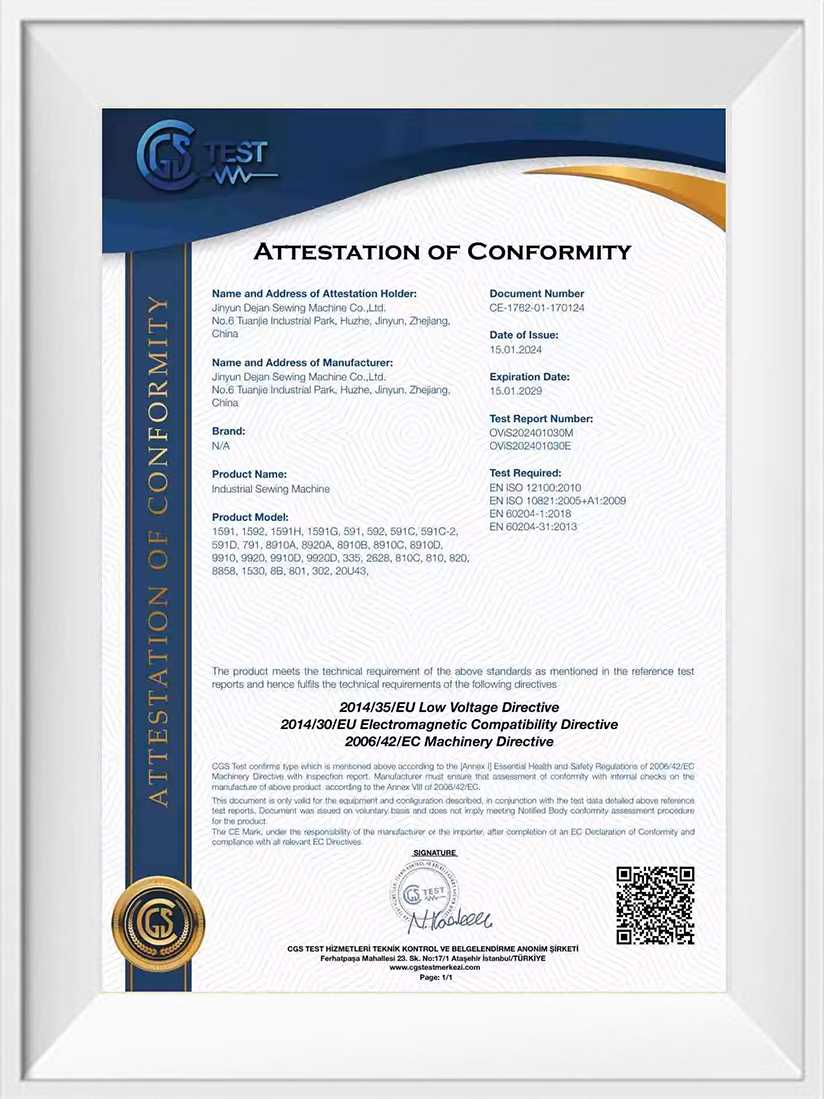
- ③ Third-party testing report comparing it with similar belt conveyors.
Self-verification can be achieved by running both the old and new models for one hour in the factory using a power meter and recording the readings. The data is more convincing than verbal statements from suppliers and can also serve as a basis for procurement negotiations.


 Español
 عربى
عربى